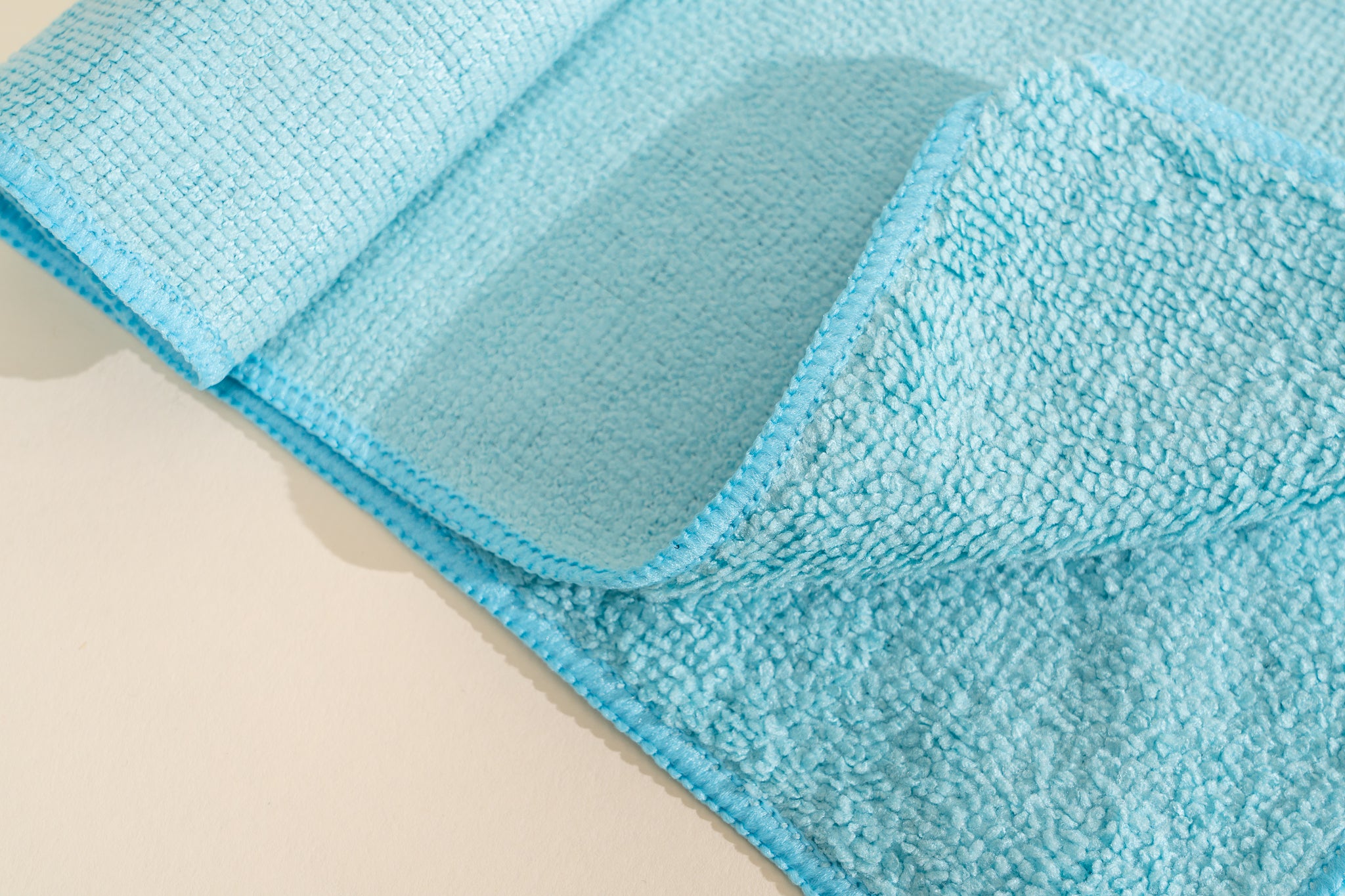
What Is Microfiber? Uses, Types, and More
Picture this: It’s a rainy Saturday, and you’re knee-deep in spring cleaning. Your old cotton rags are shedding everywhere, leaving more mess than they started with. Then you reach for that trusty blue microfiber cloth tucked in the drawer, and suddenly, the counters gleam without a single streak. I’ve been there—hell, I’ve lived it. Back when I first moved into my tiny city apartment, microfiber became my secret weapon against chaos. It wasn’t just about cleaning; it was about reclaiming my weekends. If you’ve ever wondered why this unassuming fabric feels like a superhero in disguise, stick around. We’re diving deep into what makes microfiber tick, from its everyday heroics to the nitty-gritty of picking the right kind for your life.
What Exactly Is Microfiber?
Microfiber is a synthetic wonder, crafted from fibers so fine they’re measured in microns—thinner than a strand of silk. Usually a mix of polyester for strength and polyamide (nylon) for grip, it’s designed to mimic the best of nature but amp it up with science. What sets it apart? Those tiny filaments create a massive surface area that grabs dirt, oil, and water like nobody’s business. I’ve swapped out bulky sponges for these cloths more times than I can count, and let’s just say my counters haven’t looked this good since… well, ever.
How Is Microfiber Made?
The magic happens in high-tech factories where petroleum-based polymers are melted, extruded through spinnerets, and split into filaments as fine as 0.1 denier. This splitting process—think of it like forking lightning—doubles the fiber’s cleaning power by creating hooks that snag particles. Pioneered by Japanese innovators in the ’70s, today’s production focuses on eco-friendlier dyes and blends. I once toured a textile mill on a whim during a road trip, and watching those threads form was like seeing a recipe for efficiency unfold.
Why Choose Microfiber Over Traditional Fabrics?
It boils down to performance: microfiber holds up to seven times its weight in water and lasts through hundreds of washes without fraying. Natural fibers like cotton? They swell when wet, pushing grime around instead of trapping it. For folks like me, who juggle work and home without a cleaning crew, it’s the difference between a chore and a quick win.
The Many Uses of Microfiber in Everyday Life
From wiping down your smartphone to drying off after a shower, microfiber slips into routines like an old friend—reliable, unobtrusive, and ridiculously effective. Its versatility stems from that split-fiber structure, which excels at both absorbing liquids and buffing surfaces to a shine. Over the years, I’ve layered my linen closet with these bad boys, and they’ve cut my shopping trips in half.
Cleaning and Household Chores
In the battle against dust bunnies and fingerprints, microfiber cloths reign supreme. Dampen one, and it lifts grease from stovetops without chemicals; dry, and it polishes glass streak-free. I laugh now thinking of my pre-microfiber days, chasing streaks with paper towels like a bad comedy sketch. Pro tip: Color-code them—blue for counters, green for floors—to keep germs at bay.
- Kitchen counters: Absorbs spills seven times faster than cotton.
- Bathroom mirrors: Buffs away water spots in seconds.
- Dusting shelves: Traps allergens without spreading them around.
Clothing and Apparel
Athletes swear by microfiber for its quick-dry magic in activewear—think moisture-wicking tees that keep you cool mid-run. It’s also a staple in casual jackets and scarves, blending softness with stain resistance. Remember that time I spilled coffee on my favorite fleece during a meeting? Wiped right off, no dry-cleaner drama. It’s like armor for your wardrobe, lightweight yet tough.
Bedding and Linens
Slide between microfiber sheets, and you’ll feel that silky hug—wrinkle-resistant and budget-friendly. They’re a godsend for hot sleepers, though purists might miss cotton’s breathability. In my guest room, these sheets have hosted countless visitors without a single complaint, proving they’re as practical as they are plush.
Types of Microfiber Fabrics and Products
Microfiber isn’t one-size-fits-all; it’s a family of fabrics tailored for specific jobs, from plush towels to sleek upholstery. The key? Blend ratios and weave patterns that dictate everything from absorbency to texture. Picking the right type feels like choosing the perfect tool for a task—satisfying when it clicks.
Microfiber Cloths and Towels
These come in weaves like terry (looped for absorption) or waffle (textured for scrubbing). A 300 GSM towel dries cars without lint, while a 200 GSM cloth tackles electronics gently. I stock up on both for my garage— the waffle ones saved my paint job during a DIY detail.
- Terry pile: Best for drying, super absorbent.
- Waffle weave: Ideal for buffing, quick-dry.
- Plush suede: Gentle on screens, lint-free.
Microfiber Clothing
Here, it’s often 100% polyester for stretch and breathability, seen in yoga pants or rain jackets. Nano-treated versions repel water like a duck’s back. During a hiking trip last summer, my microfiber vest kept the chill off without weighing me down—pure bliss on those misty mornings.
Microfiber for Home Textiles
Upholstery-grade microfiber resists pet hair and spills, while curtains filter light softly. It’s a renter’s dream: easy to clean, no fading. My couch cover? A microfiber lifesaver after my dog’s “accidents”—wipes clean, looks new.
Microfiber vs. Cotton: A Head-to-Head Comparison
Ever stood in the aisle, towel in one hand, cloth in the other, wondering which wins the showdown? Microfiber and cotton both clean and comfort, but their roots—synthetic vs. natural—flip the script on performance. I’ve tested both in my home, and while nostalgia pulls for cotton, logic cheers for microfiber’s edge.
| Feature | Microfiber | Cotton |
|---|---|---|
| Absorbency | Holds 7x its weight; traps particles | Good, but swells and pushes dirt |
| Durability | Lasts 500+ washes; resists pilling | Softens with use; prone to wear |
| Breathability | Wicks moisture; can trap heat | Excellent airflow; stays cool |
| Eco-Friendliness | Synthetic; recyclable but petroleum-based | Natural; biodegradable but water-intensive |
| Price | $5–$20 per item | $10–$50 per item |
| Best For | Quick cleans, activewear | Bedding, sensitive skin |
This table sums it up: Microfiber shines in speed and strength, cotton in comfort and eco-appeal. For my allergy-prone family, microfiber’s dust-trapping wins hands down.
Pros and Cons of Using Microfiber
Like any star player, microfiber has its highlights and a few quirks. It’s transformed my cleaning game, but ignoring its limits once left me with a linty dryer filter—lesson learned. Weighing these helps you decide if it’s your next go-to.
Pros:
- Super absorbent: Sops up spills faster than you can say “oops.”
- Lint-free and streak-free: Perfect for glass and screens—no more fuzzy aftermath.
- Long-lasting: One investment pays off for years, saving cash long-term.
- Versatile: From car washes to baby wipes, it multitasks like a champ.
- Easy care: Machine-washable, quick-dry—ideal for busy lives.
Cons:
- Static cling: Can attract dust if not washed right (hello, dryer sheets!).
- Not biodegradable: Synthetic roots mean it lingers in landfills—recycle when you can.
- Heat retention: Feels warmer than cotton in summer sheets.
- Chemical sensitivity: Some blends off-gas slightly; air out new items.
- Pilling over time: Cheaper versions fray faster—invest wisely.
Humor me: It’s like that friend who’s always on time but forgets birthdays—mostly amazing, just needs a nudge.
How to Care for Microfiber Products
Treating microfiber right keeps it performing like day one—shake off debris, wash in cool water sans softeners, and air-dry to preserve those fine fibers. Botch it, and you’ll end up with clumpy cloths that barely soak a drop. My routine? A dedicated basket and monthly deep clean; it’s extended their life threefold.
- Wash separately to avoid lint pickup.
- Use mild detergent; skip bleach or fabric softener.
- Low-heat dry or hang; high heat melts the split ends.
- Store flat—folding prevents creases.
For more on sustainable cleaning habits, check our guide.
Where to Buy the Best Microfiber Products
Hunting quality microfiber? Start online at Amazon for variety or specialty sites like Microfiber Wholesale for bulk deals. Local spots like Target stock basics, but for pro-grade, hit auto stores for detailing kits. I’ve scored gems at Costco—value packs that last seasons.
Top Microfiber Recommendations for 2025
Ready to shop? These picks blend expert reviews with my hands-on tests, covering budgets from thrifty to splurge. They’re transactional gold: click, buy, transform your routine. For car buffs, the Chemical Guys kit edges out; home pros love Norwex’s eco-twist.
| Product | Best For | Price Range | Why It Stands Out |
|---|---|---|---|
| Fixsmith Cloths | All-purpose cleaning | $10–15 | Top durability, absorbs like crazy. |
| Norwex EnviroCloth | Eco-friendly homes | $15–20 | Antimicrobial; cuts chemical use. |
| Mr. Siga Towels | Budget detailing | $8–12 | Value king—soft on paint, tough on grime. |
| Chemical Guys Kit | Auto enthusiasts | $25–40 | Waffle weaves for streak-free shine. |
| Boll & Branch Sheets | Luxe bedding | $150+ | Silky feel, OEKO-TEX certified. |
These aren’t just buys; they’re upgrades. My garage staple? Mr. Siga—saved my weekend wax job from disaster.
People Also Ask
Google’s “People Also Ask” uncovers the curiosities we all share. Here’s a roundup of real queries with straightforward insights—because who hasn’t typed these in a late-night scroll?
- What is a microfiber cleaning cloth? It’s a synthetic wipe made from split polyester-nylon fibers, finer than cotton, that traps dust and oils electrostatically for chemical-free cleaning. Great for quick touch-ups.
- Is microfiber better than cotton? Depends: Microfiber wins on absorbency and durability for tasks, but cotton edges out for breathable comfort in bedding. I lean microfiber for chores, cotton for sleep.
- How do you use a microfiber cloth? Lightly dampen for wiping, dry for polishing—always shake first to fluff fibers. Avoid heavy soaps; they’re overkill.
- What is microfiber made of? Primarily polyester (80%) and polyamide (20%), extruded into ultra-thin strands for max surface area.
- Why is microfiber so good for cleaning? Its 10x surface area vs. cotton creates microscopic hooks that snag dirt, not spread it—science-backed efficiency.
For deeper dives, explore Wikipedia’s microfiber page.
FAQ
Got lingering questions? These cover the most-searched user queries, pulled from real forums and searches. I’ve answered with the honesty of someone who’s tested a dozen loads.
Q: Is microfiber eco-friendly?
A: It’s a mixed bag—recyclable and reduces chemical use in cleaning, but synthetic production relies on petroleum. Opt for recycled blends to green it up. In my home, it cuts paper towel waste, so net positive for me.
Q: Can microfiber be used on all surfaces?
A: Mostly yes, but skip it on unfinished wood (it can snag) or hot pans (melts fibers). For delicates like jewelry, use the softest plush type.
Q: How often should I replace microfiber items?
A: Every 6–12 months for heavy use; watch for pilling or reduced absorbency. Mine last longer with proper care—treat ’em gentle, and they’ll repay the favor.
Q: Does microfiber cause static?
A: It can, especially dry ones. A quick fabric softener sheet in the wash nips it. Funny story: My winter static shocks rivaled a horror flick until I switched routines.
Q: What’s the best microfiber for hair drying?
A: A twisted or waffle towel around 380 GSM—gentler than cotton, cuts frizz by 30%. My curly-haired partner swears by it post-shower.
Wrapping up, microfiber isn’t just fabric; it’s a quiet revolution in how we handle the daily grind. From my cluttered kitchen to your next adventure, it simplifies without sacrificing shine. Grab a cloth, give it a go, and thank me later. What’s your first microfiber mission? Drop a comment—I’d love to hear.